The BNG Circus Award will have a renewed format in 2026. The prize, which for many years has been an important stimulus for young circus makers, is shifting its focus to makers who have already taken their first steps in the field and are ready for the next phase.
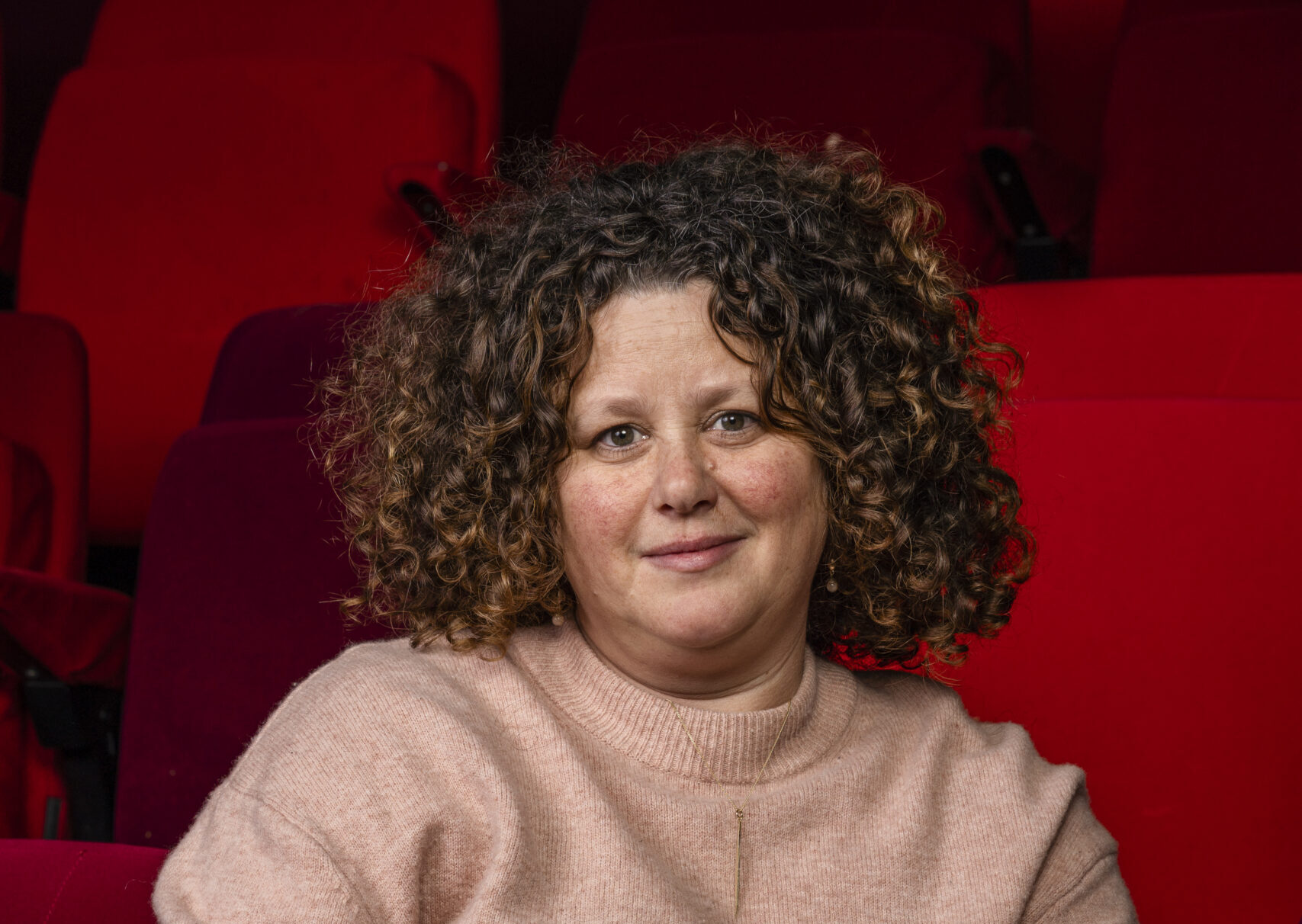
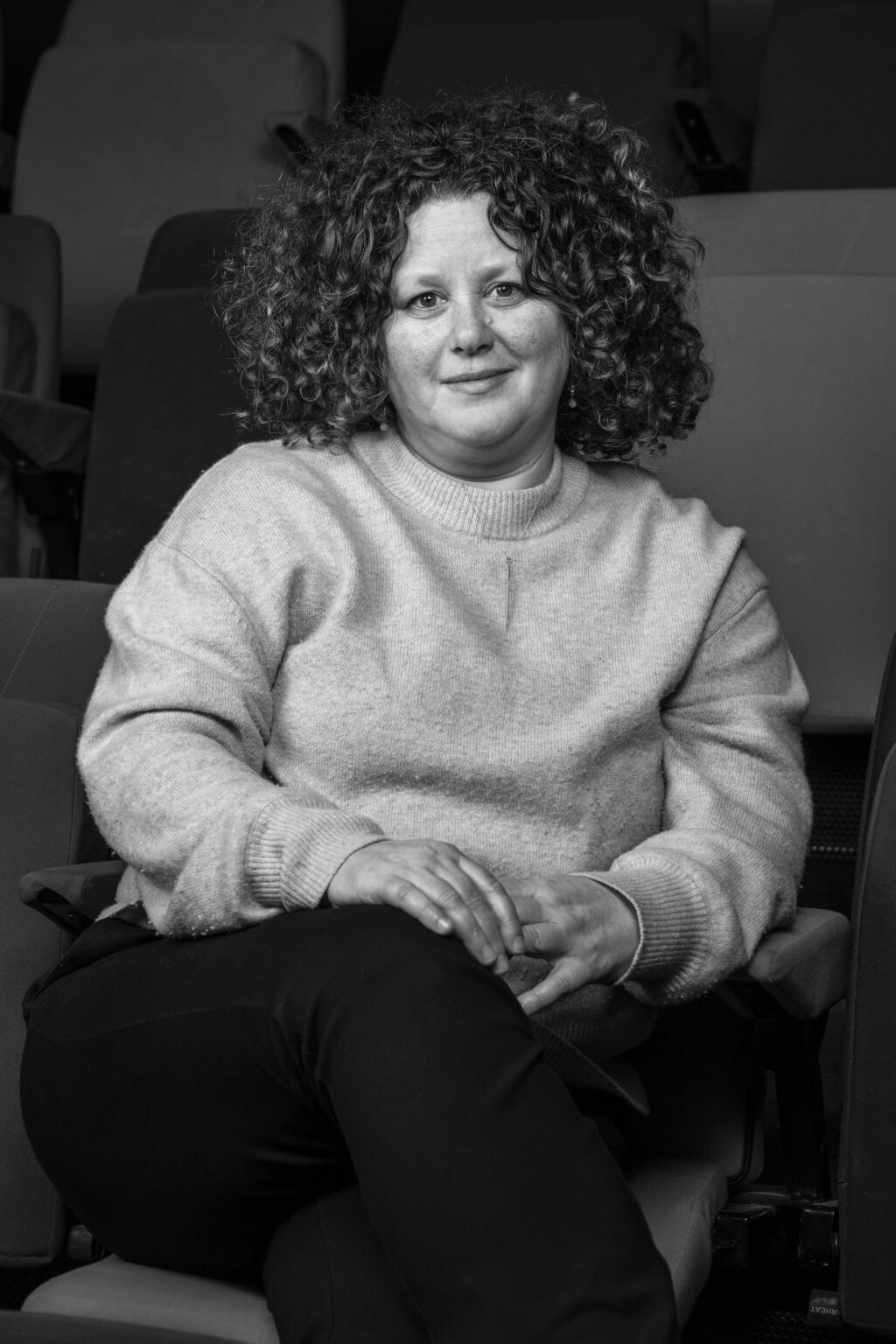
Circusweb spoke with Rosa Boon (board member of Circuspunt) about the reason for this new format, the broader ambitions of the prize, and the impact it is intended to have on the Dutch circus field in the long term.
What was the main reason for reshaping the BNG Circus Award?
“Rosa: “The main reason is visibility. I was already involved in the creation of the circus award when it was still part of Circomundo (the umbrella organization for youth circuses in the Netherlands, ed.). From the beginning, it was about strengthening the circus field. At that time, it mainly focused on youth circuses and later on recent graduates.
The winners were often at the very beginning of their careers. Now we have been looking for a format in which we can truly support one maker in the next phase: someone working on a second or third production and ready for the next step.”
The idea is that the maker wins money that can be directly invested in the production, but also in professionalization. Think of marketing, visibility and building a sustainable touring circuit.
The funding comes from the BNG Culture Fund. Circuspunt acts as coordinator and we do this in close collaboration with Festival Circolo, which is the executing partner.”
How does this new version fundamentally differ from previous editions?
Rosa: “The big difference is that we are now not only selecting a maker, but primarily supporting a plan. We are focusing on more advanced makers and significantly more money is involved.
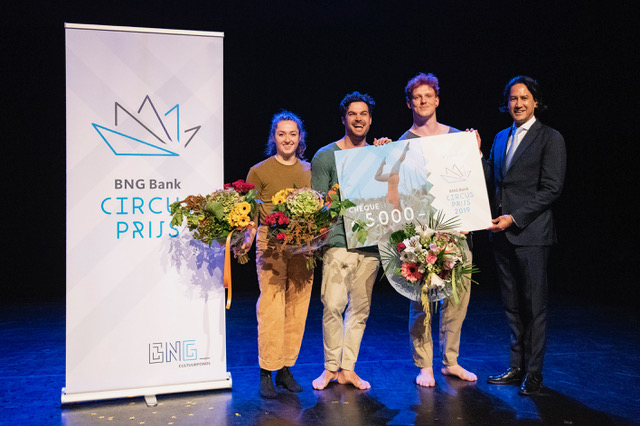
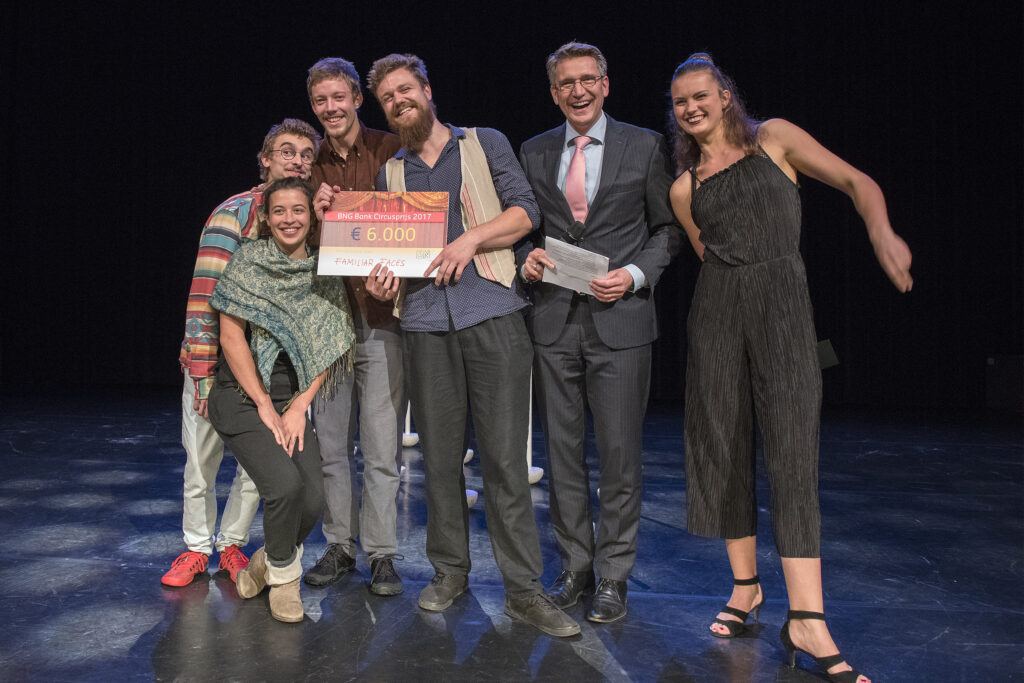
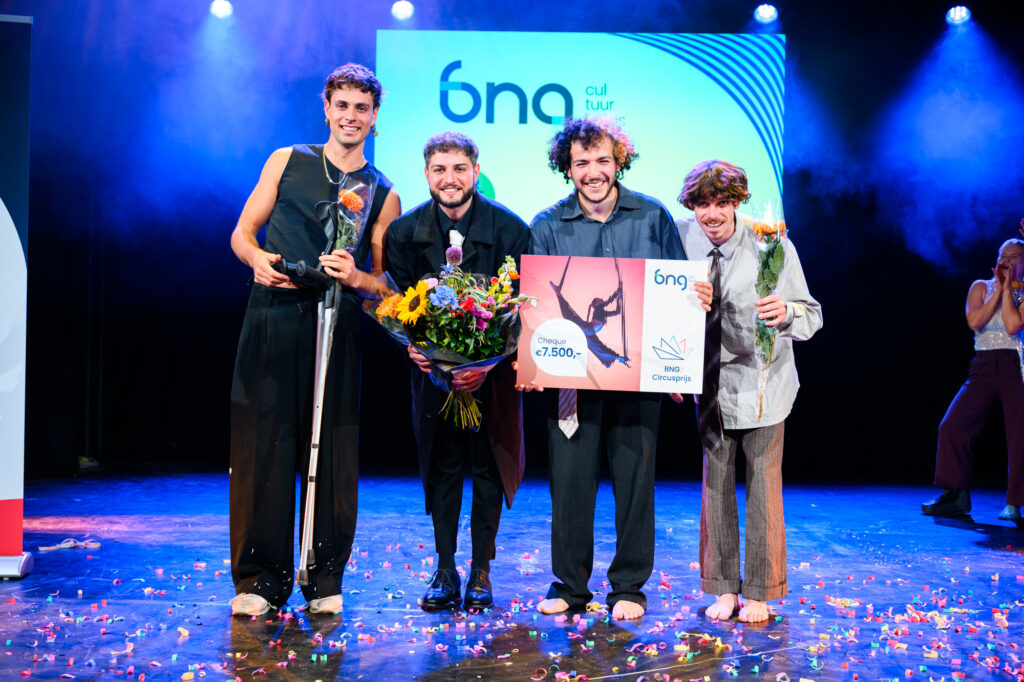
In the past, the prize amount was €7,500. Now—in the new format—we are talking about a total package of €20,000.
Of this, €10,000 can be invested directly in the production and €10,000 in a professionalization trajectory. That way you can really make an impact.”
Could the ‘second’ €10,000 also be seen as a development trajectory, where you deepen a specific development question (supported by professionals)?
Rosa: “The second part is there to ensure that you receive support in making your production visible.”
Which development within the Dutch circus field did you want to better support with this renewal?
Rosa: “Especially the creation of longer productions. That can be a street performance, a theatre production or something for a circus tent. It does not have to fit within one specific form.
For makers at this stage, the support opportunities in the Netherlands are still quite limited. Especially since the changes within the arts sector and the limited access to private funds, many circus makers find it difficult to secure financing.
It’s a complex issue and part of a broader development where it has become harder for these makers to finance their productions. To summarize briefly: for example, the Performing Arts Fund (FPK) is normally a fund where (circus) makers can apply for support to create new productions. The FPK also has multi-year funding schemes, where you know your subsidy for four years.
In the most recent multi-year round, many makers, production houses and organizations were excluded due to new criteria. These include parties (such as Holland Opera and De Warme Winkel) with extensive experience and proven artistic skills. These parties are now applying for other, non-multi-year funding schemes at FPK or other private funds.
You can imagine that this group of applicants forms strong competition for relatively new makers with less experience. While that group—thinking specifically of circus makers—is very important for the future of circus.
With this prize, we want to support that group better.”
For which makers or circus forms does this new format offer additional opportunities?
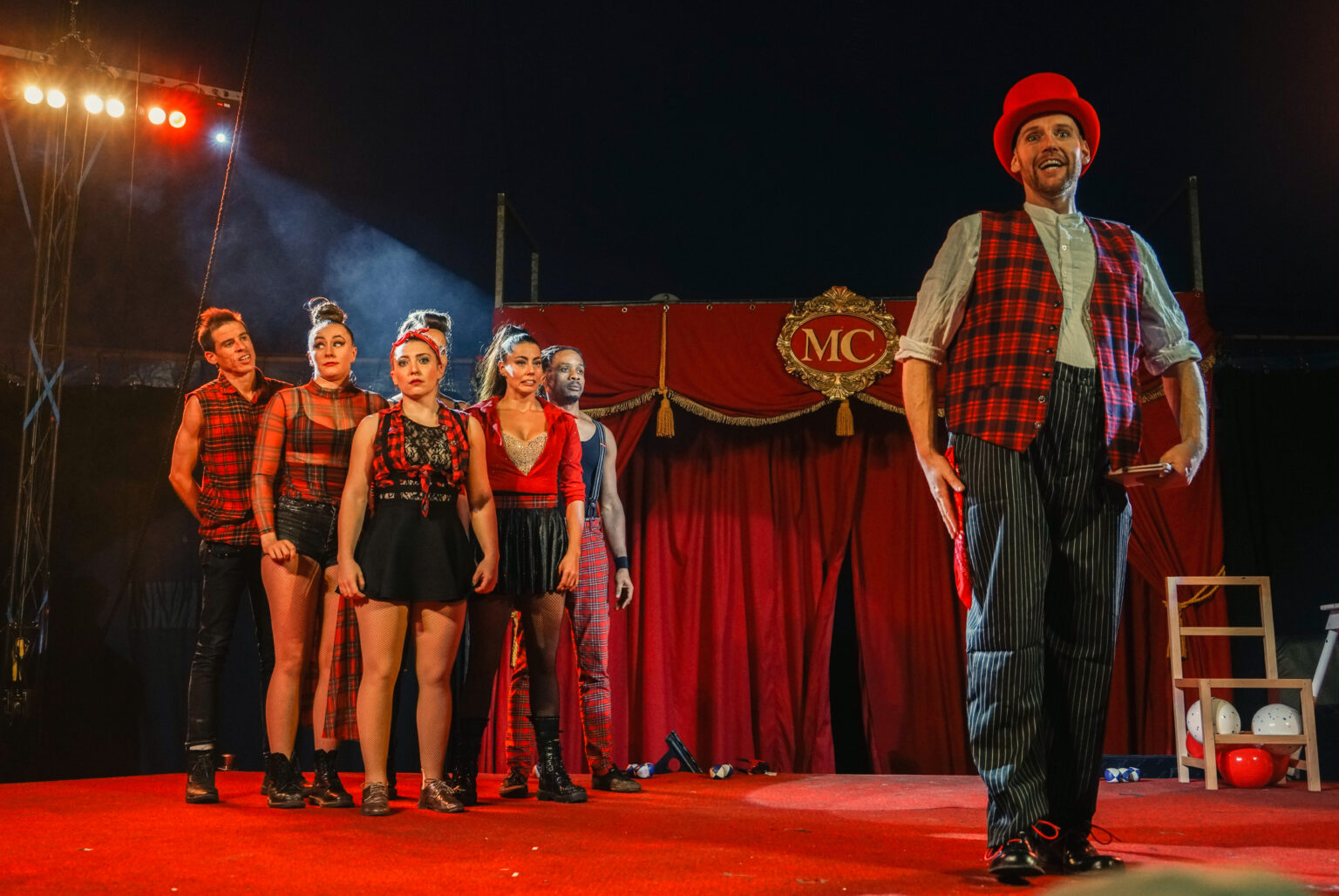
Rosa: “Actually for a very broad field. Ultimately, circus must be the basis of what you submit, but that definition is deliberately kept broad. A clown performance, for example, is just as much circus.”
“It is not about one aesthetic direction. Both makers from a more traditional circus background and innovative circus makers can apply, as long as it concerns a longer production and not a single act.”
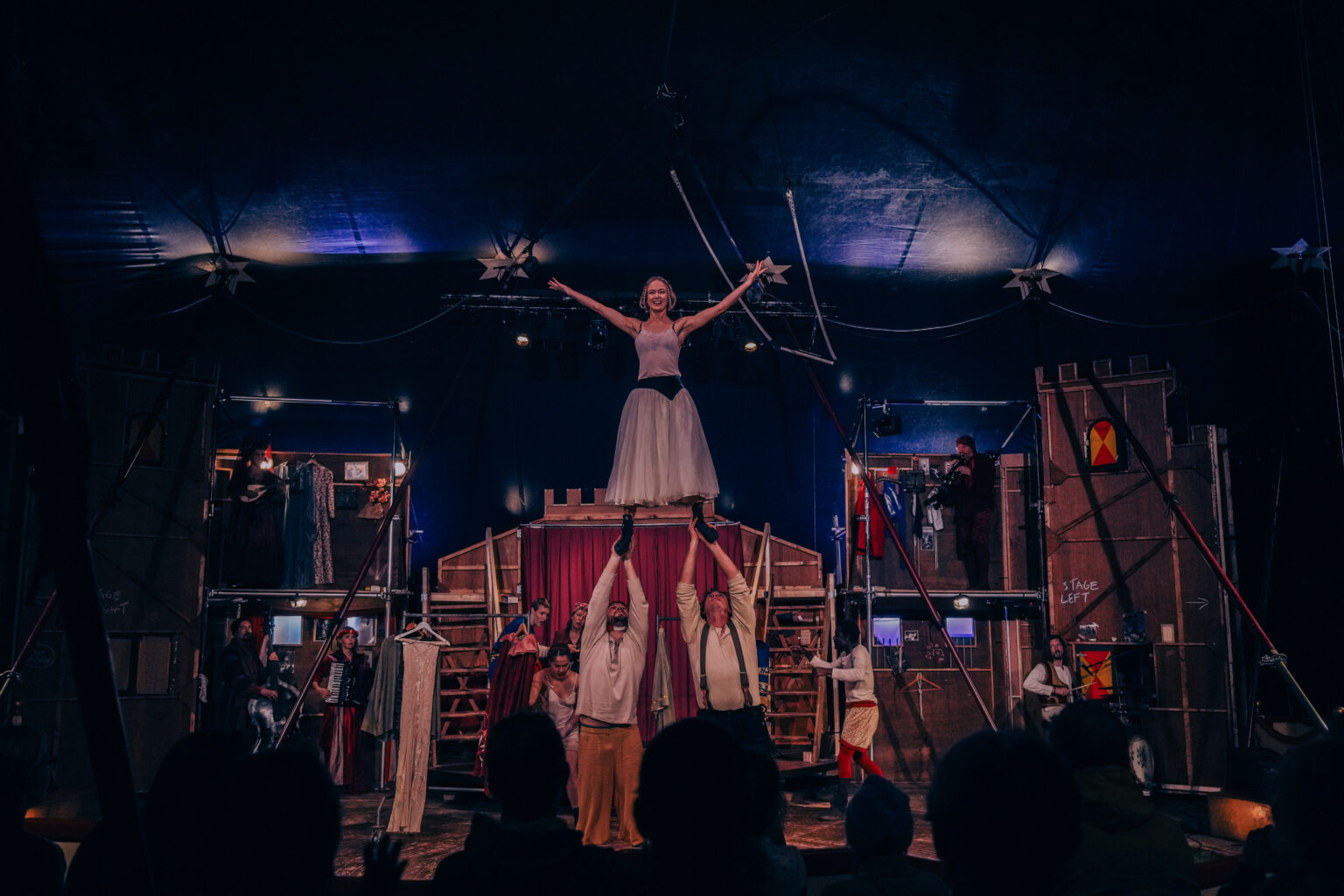
And perhaps a strange question, but… when are you actually a ‘maker’?
Rosa: “You are a maker as soon as you create something that is presented on stage. That can be as a performing artist, but just as well as an artistic producer or a creator of a program.
The new BNG Circus Award is therefore still for performing artists, as was the case in the previous format.
But… assembling a program can absolutely be authorship as well. However, it is important that there is a clear vision behind it. It involves more than simply putting together a series of strong acts. Calling that ‘this is good’ is not enough.
There needs to be an artistic idea that connects everything. Why choose these specific elements? What does the program as a whole communicate? And what does it convey to the audience?
That underlying reasoning and artistic coherence are what, according to her, make the difference between programming and truly creating.”
The selection committee selects candidates based on several criteria:
1- originality and dramaturgical impact
2- societal impact and relevance
3- quality of the performance
4- feasibility of the plan
5- authorship and vision of the maker
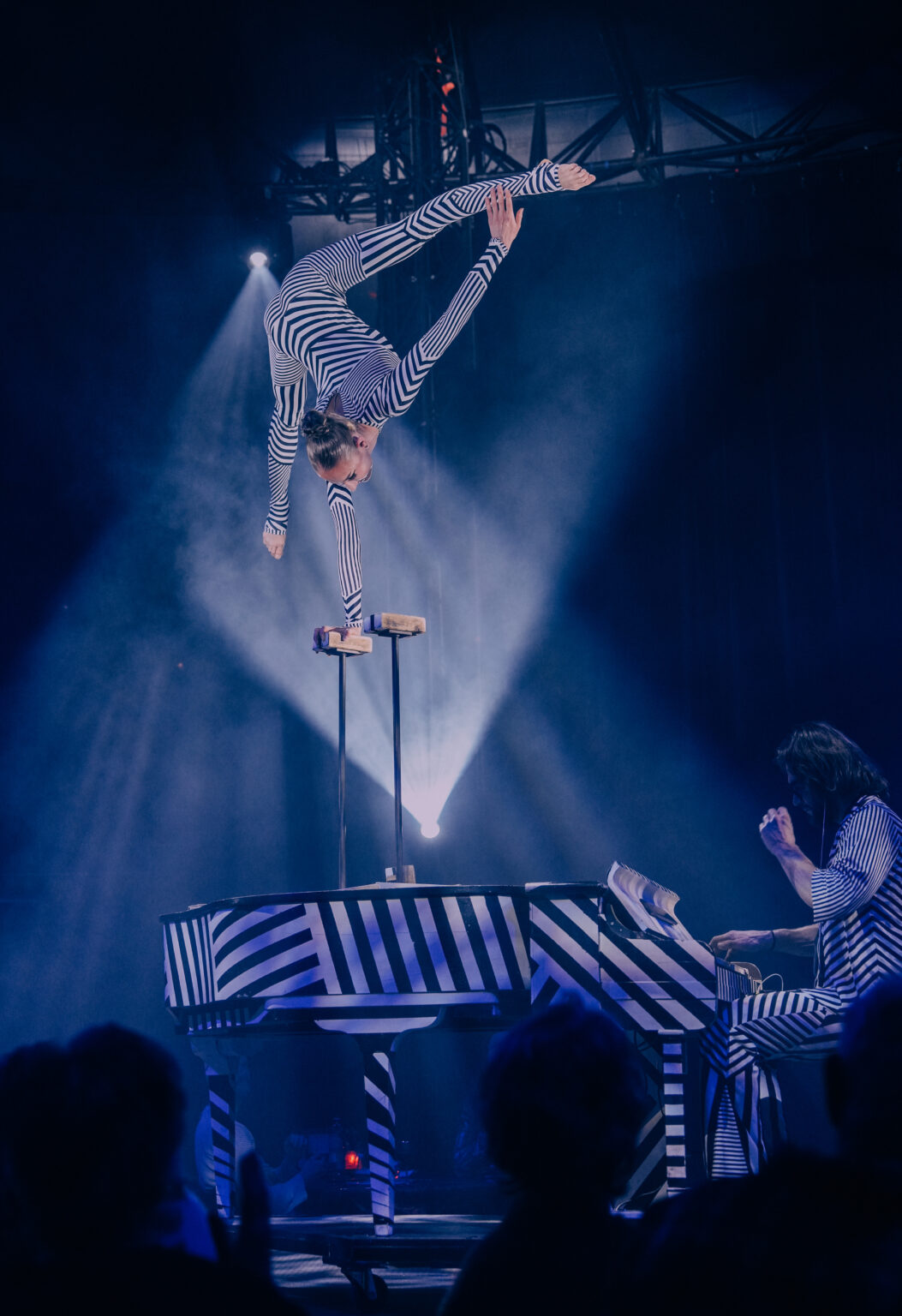
Could you perhaps explain these criteria more simply for makers who are less familiar with the ‘art world’ and its terminology?
Rosa:
“1: Express what is unique about your project.
2: Make sure it aligns with BNG’s strategy, mission and vision, which is: ‘At BNG we are committed to lasting social progress. As a reliable partner within the public domain, we strengthen organizations that contribute to a more social and sustainable Netherlands.’ In short: why is this project important to support?
3: Does it demonstrate craftsmanship and quality in terms of technique, acting and movement?
4: Convince us that you can complete your project.
5: Can you distinguish between what you take from others, what is truly your own, and what you refer to? How do you see your role as a circus maker in the world, and can you express that in a conversation?”
How does the renewed award align with the current generation of circus makers and their way of creating?
Rosa: “I think the prize fits well because there is a lot of room for personal interpretation. It also aligns with today’s necessity to have your marketing, communication and touring schedule in order.”
“Nowadays it’s about more than just a good photo or a nice trailer. How do you reach your audience? How do you build a touring circuit? That professionalization aspect has become essential.”
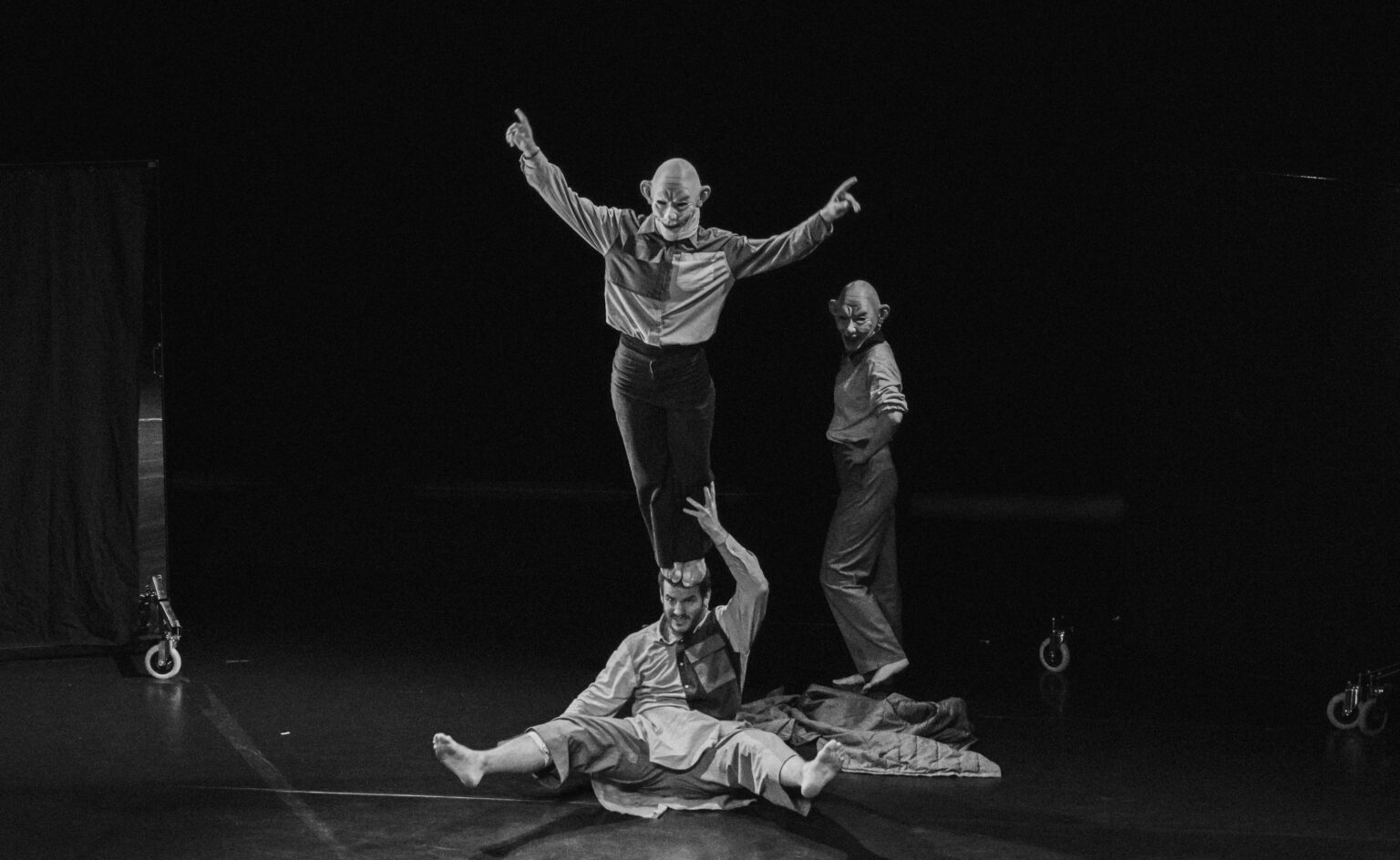
What does this change say about the direction in which circus is moving?
Rosa: “Personally, I would rather leave out the word ‘contemporary’, because this really concerns the entire circus field, including traditional circus.
The prize does not want to prescribe a specific direction. We mainly want to offer support and give everyone a fair chance.”
How does this application differ from a subsidy application, for example with a project plan?
Rosa: “The main difference is that this is not a subsidy application, but a prize funded with private money.
That also gives more freedom. Of course, we want to understand what the project is about and why it works artistically and production-wise. But we are not bound to the same frameworks as, for example, a subsidy application.
Because it is private funding, we can shape the conditions together with BNG. We mainly look at the goal of the prize: increasing visibility for circus in the Netherlands and sustainably supporting makers.
The emphasis is therefore less on ticking boxes and more on the question: can this project truly make a difference for the maker, the audience and the touring circuit?”
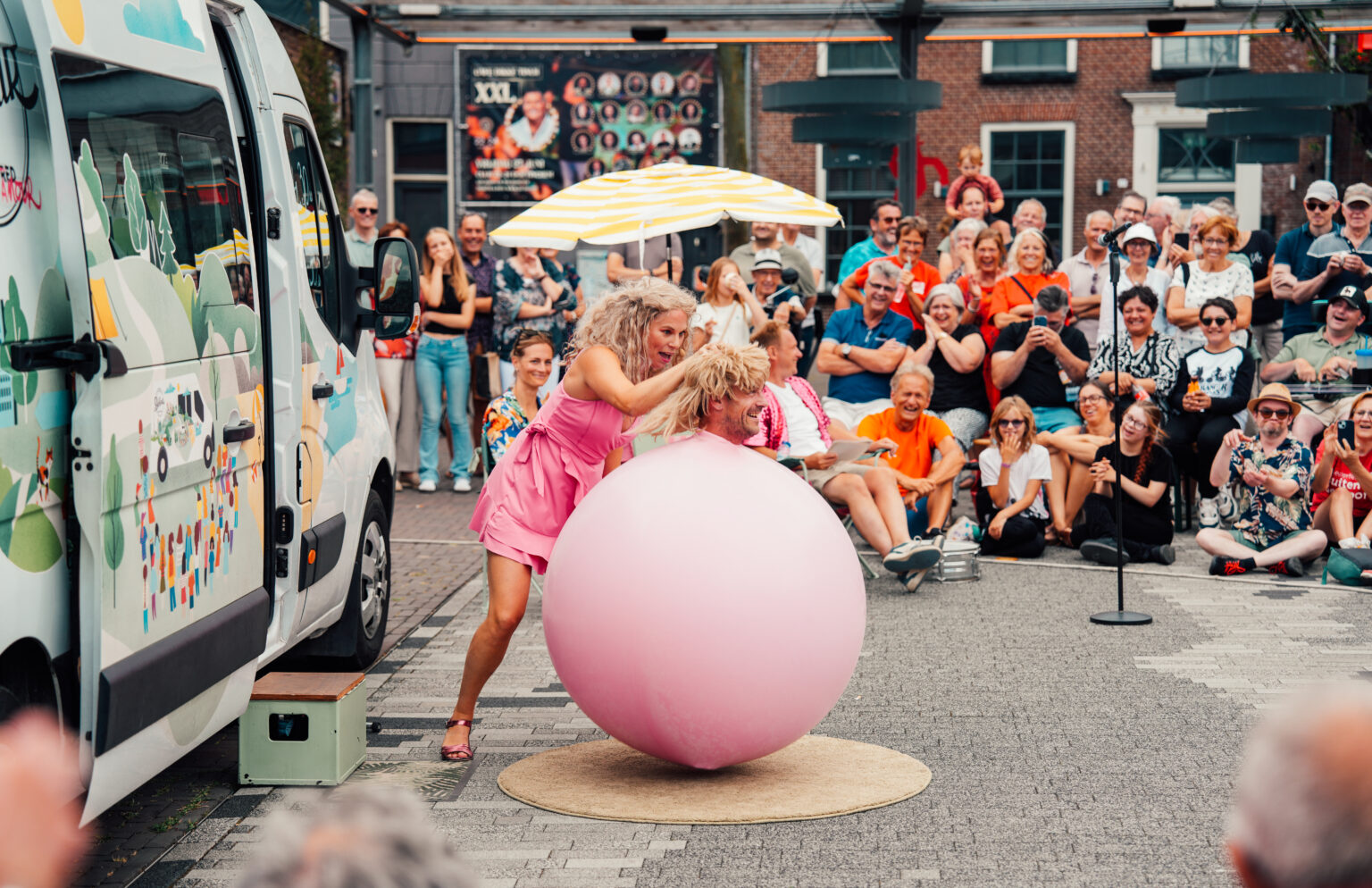
Applicants are asked to submit a ‘video recording’. What exactly should be shown?
Rosa: “This is important to assess the criterion ‘quality of the performance’.
In the artistic dossier, you explain your project, your working method and who you are. In the video, we want to see you in action. It allows the selection committee to determine whether the maker (or performers) can convey their intentions to the audience.
Additionally, the video gives an impression of atmosphere and energy. Without it, it becomes much more difficult to assess the application.”
Is the prize mainly meant as recognition, or also as a springboard?
Rosa: “Definitely both. It is explicitly about creating more visibility and more performance opportunities in the Netherlands. That is why the professionalization trajectory is so important.”
How do you view the balance between artistic innovation, audience reach and societal relevance?
Rosa: “We have deliberately sought a balance between those aspects in this new format.”
What impact do you hope to achieve in the long term?
Rosa: “That circus in the Netherlands becomes more visible and that makers can grow sustainably in their careers.”
When will this new version be truly successful?
Rosa: “When the prize truly makes a difference for the winner. An injection of €20,000 into one project can be decisive.”
“But ultimately, the bigger goal is that circus as an art form becomes more visible in the Netherlands and that makers can build sustainable careers.”